Key Mistakes to Avoid When Planning Your First Building Project
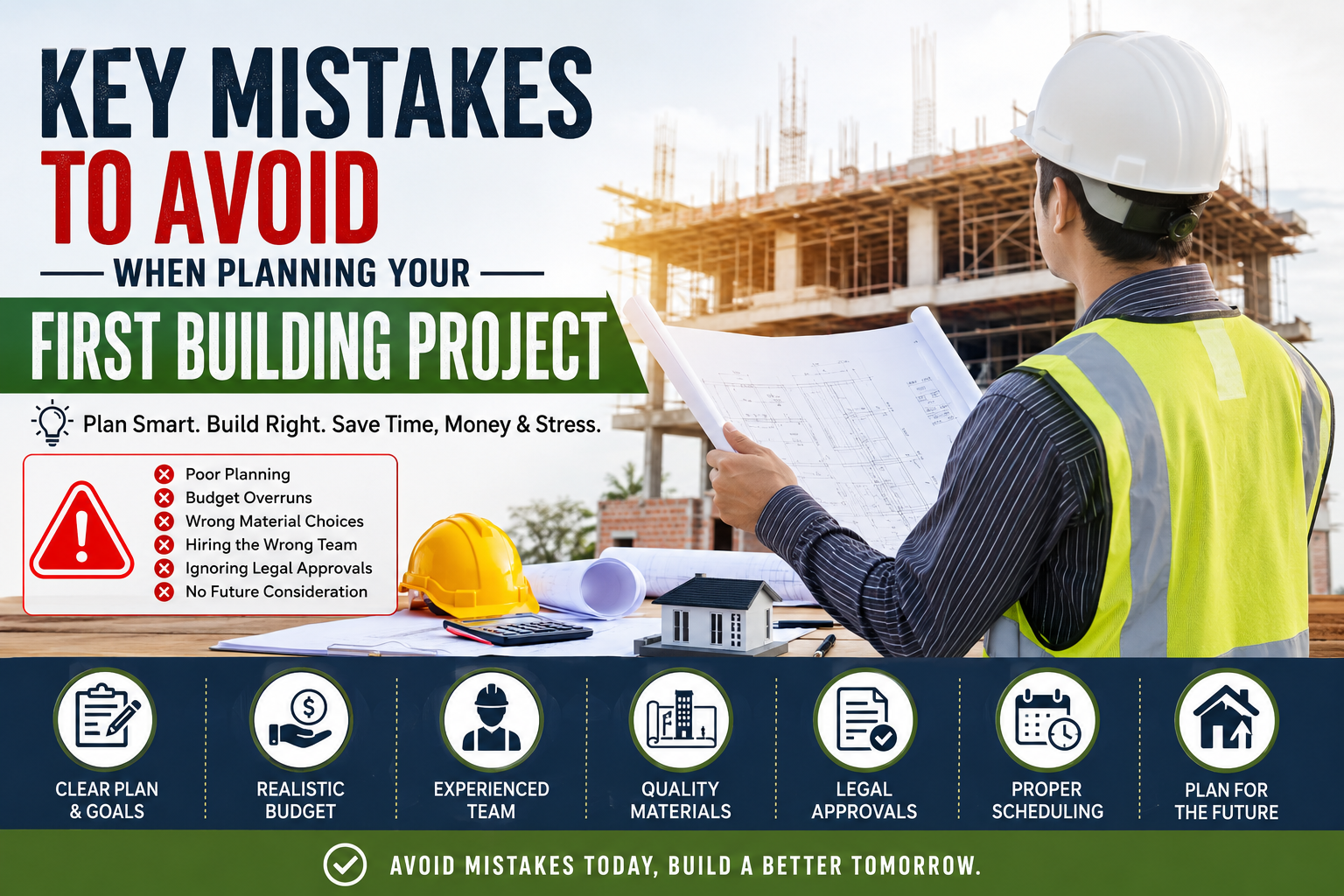
Building your first home or commercial property is an exciting milestone, but it can also be one of the most challenging investments you’ll ever make. A well-planned construction project can increase property value, improve functionality, and save money over time. On the other hand, poor planning often leads to budget overruns, delays, legal complications, and disappointing results.
Whether you’re planning a dream home, office space, retail building, or investment property, understanding the common mistakes before construction begins can help you make informed decisions. Every successful project starts with careful preparation, realistic expectations, and the right team of professionals.
This guide explores the most common mistakes first-time property owners make and offers practical tips to ensure your building project stays on track from concept to completion.
Start With a Clear Vision
One of the biggest mistakes people make is beginning construction without a clear understanding of what they want.
Before purchasing materials or hiring contractors, define your goals by considering:
- The purpose of the building
- Number of rooms or workspaces
- Future family or business needs
- Parking requirements
- Outdoor areas
- Energy efficiency goals
- Budget expectations
Having a detailed vision helps architects and construction professionals design a property that meets both your current and future needs.
Choosing Land Without Proper Evaluation
Many first-time buyers focus only on location and price while overlooking important site conditions.
Before purchasing land, evaluate:
- Soil quality
- Drainage
- Flood risk
- Road connectivity
- Utility access
- Local zoning regulations
- Future development plans nearby
A beautiful plot may become expensive if additional foundation work or site preparation is required.
Underestimating the Total Budget
Construction costs extend far beyond bricks and cement.
Many first-time builders forget to include expenses such as:
- Architectural design
- Engineering consultation
- Government approvals
- Site preparation
- Utility connections
- Landscaping
- Interior finishing
- Furniture
- Contingency funds
Experts generally recommend setting aside an additional 10–20% of your total budget for unexpected expenses.
Ignoring Future Expansion
Your needs today may not be the same five or ten years from now.
Think ahead by planning for:
- Additional bedrooms
- Home offices
- Extra parking
- Solar panels
- Rainwater harvesting
- Smart home systems
- Future commercial expansion
Planning for future growth can save significant renovation costs later.
Hiring Based Only on the Lowest Price
Choosing the cheapest contractor may seem like a way to save money, but it often results in:
- Poor workmanship
- Delays
- Inferior materials
- Frequent repairs
- Budget overruns
Instead, evaluate contractors based on:
- Experience
- Completed projects
- Client reviews
- Licensing
- Communication
- Transparency
- Quality standards
Remember that value is more important than simply finding the lowest quote.
Skipping Professional Design Services
Some property owners try to reduce costs by avoiding architects or experienced designers.
Professional planning provides benefits such as:
- Better space utilization
- Improved ventilation
- Natural lighting
- Structural safety
- Attractive aesthetics
- Compliance with building codes
- Long-term efficiency
Professional design often reduces costly construction mistakes.
Not Understanding Local Building Regulations
Every region has construction rules regarding:
- Building height
- Floor area ratio
- Setbacks
- Parking
- Environmental compliance
- Fire safety
- Structural standards
Ignoring these regulations may lead to:
- Project delays
- Fines
- Redesign costs
- Legal issues
- Demolition orders
Always obtain necessary approvals before construction begins.
Poor Construction Scheduling
Many projects experience delays because timelines are unrealistic.
Factors affecting schedules include:
- Weather
- Material availability
- Labor shortages
- Permit approvals
- Design revisions
Develop a realistic construction schedule that includes flexibility for unexpected events.
Choosing Low-Quality Materials
Lower-cost materials often lead to:
- Structural problems
- Water leakage
- Faster deterioration
- Higher maintenance
- Reduced resale value
Investing in quality materials provides better durability, safety, and long-term savings.
Ignoring Soil Testing
The strength of your building depends heavily on the condition of the ground beneath it.
Soil testing determines:
- Bearing capacity
- Moisture levels
- Foundation requirements
- Drainage characteristics
Skipping this step can result in expensive structural problems later.
Poor Communication With Your Construction Team
Miscommunication frequently causes:
- Incorrect layouts
- Material changes
- Delays
- Budget increases
- Design inconsistencies
Maintain regular meetings with your architect, engineer, and contractor throughout the project.
Helpful practices include:
- Weekly progress reviews
- Written approvals for changes
- Clear documentation
- Updated construction schedules
Making Frequent Design Changes During Construction
Changing plans after construction starts often results in:
- Additional labor costs
- Material waste
- Project delays
- Structural adjustments
Finalize your design before construction begins whenever possible.
Overlooking Energy Efficiency
Modern buildings should prioritize long-term operating costs as well as construction costs.
Energy-efficient features include:
- Proper insulation
- Natural ventilation
- Energy-efficient windows
- LED lighting
- Solar panels
- Water-saving fixtures
These features lower utility bills and improve long-term comfort.
Forgetting About Drainage
Poor drainage is one of the leading causes of building damage.
Proper planning should include:
- Surface water management
- Roof drainage
- Stormwater systems
- Site grading
- Waterproofing
Effective drainage protects both the structure and surrounding landscape.
Neglecting Interior Planning Early
Many owners focus entirely on the exterior while postponing interior decisions.
Early planning helps coordinate:
- Electrical outlets
- Lighting placement
- Plumbing layouts
- Kitchen design
- Storage solutions
- Furniture dimensions
This reduces costly modifications after construction.
Not Planning for Maintenance
Every building requires ongoing maintenance.
Choose durable materials and systems that make future upkeep easier, such as:
- Easy-to-clean finishes
- Quality roofing
- Corrosion-resistant fixtures
- Accessible plumbing systems
- Durable exterior coatings
Maintenance planning extends the life of your investment.
Failing to Document Everything
Construction involves many decisions.
Keep records of:
- Contracts
- Approved drawings
- Material specifications
- Payment schedules
- Change orders
- Inspection reports
- Warranties
Good documentation helps resolve disputes and simplifies future maintenance.
Overlooking Safety During Construction
Construction sites can be hazardous.
Ensure your contractor follows proper safety practices, including:
- Protective equipment
- Secure scaffolding
- Site fencing
- Safe material storage
- Electrical safety
- Emergency procedures
A safe worksite reduces accidents and project interruptions.
Not Considering Property Value
Your building should meet current needs while maintaining strong resale potential.
Features that often enhance long-term value include:
- Functional layouts
- Quality finishes
- Energy-efficient systems
- Ample parking
- Good natural lighting
- Modern infrastructure
- Flexible spaces
Thinking about resale from the beginning can improve your return on investment.
Working Without a Contingency Plan
Unexpected events can affect any construction project.
Prepare for:
- Material price fluctuations
- Weather delays
- Design revisions
- Labor shortages
- Supply chain disruptions
Having contingency funds and flexible timelines reduces stress when challenges arise.
Final Thoughts
Planning your first building project is about much more than selecting a design or purchasing materials. Success comes from careful preparation, realistic budgeting, professional guidance, quality construction practices, and clear communication throughout every stage of the project.
By avoiding these common mistakes, you can reduce unnecessary costs, minimize delays, and create a property that remains functional, durable, and valuable for years to come. Whether you’re building a family home, a commercial space, or an investment property, thoughtful planning lays the foundation for long-term success.